
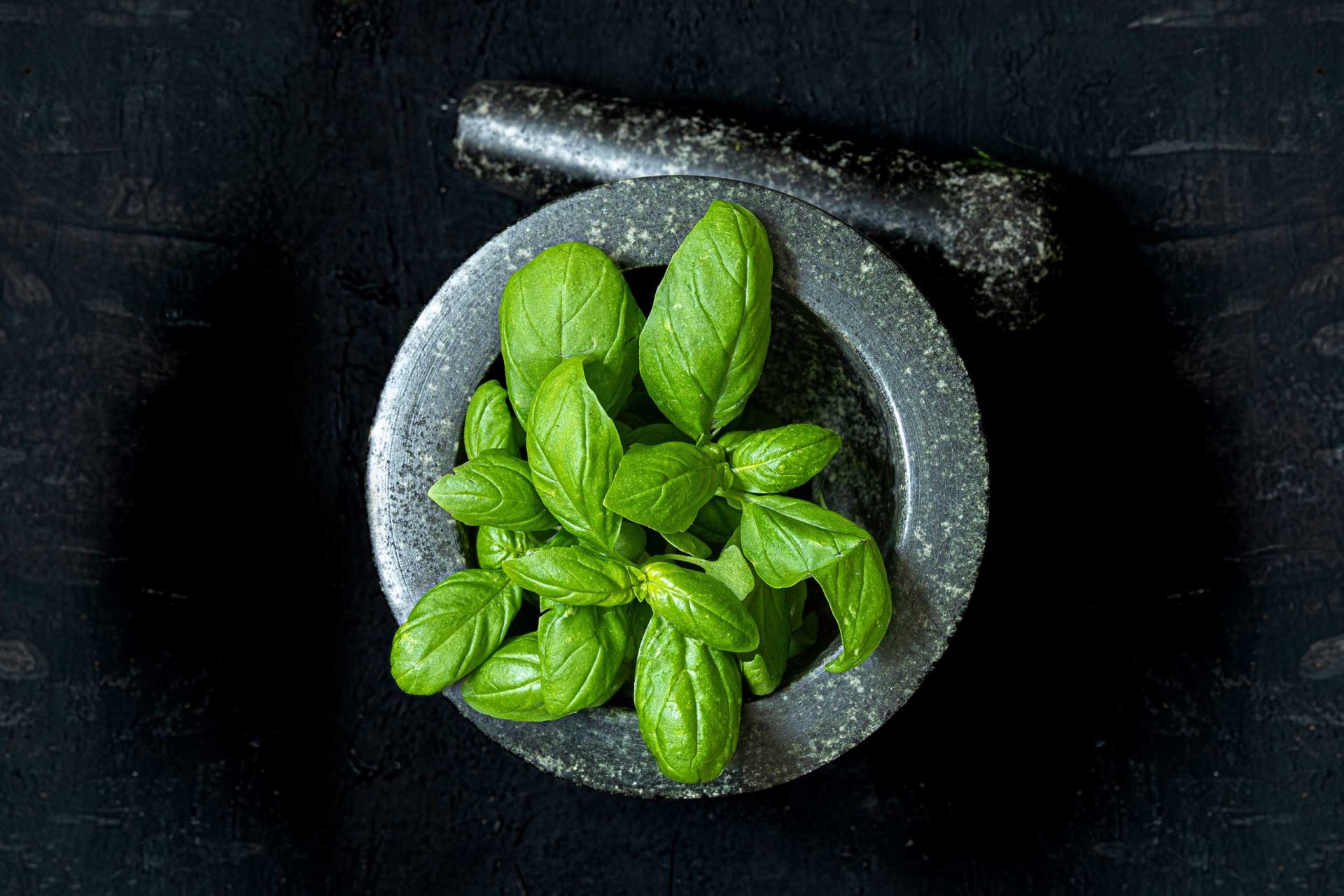
Basil is the Fragrant Herb That Conquered the World
Few herbs are as instantly recognisable as basil. Its fresh green leaves, sweet fragrance and distinctive peppery flavour have made it one of the world’s most beloved culinary plants. For many people, basil is inseparable from Italian food: scattered over a pizza, folded into pasta, or crushed with garlic, pine nuts, Parmesan and olive oil to make pesto. Yet basil’s story is much larger than Italian cuisine. It has travelled across continents, been used in medicine and religious traditions, and developed into a remarkable family of varieties with flavours ranging from anise and cinnamon to lemon and clove.
Known botanically as Ocimum basilicum, common or sweet basil belongs to the mint family, Lamiaceae. It is a warm-climate herb that grows as an annual in many temperate regions, although in tropical and subtropical areas it can survive much longer. Kew’s Plants of the World Online lists its native range as extending from tropical and subtropical Asia to northern Australia, while other botanical sources describe a broader history involving tropical Africa and Asia. Today, basil is cultivated throughout much of the world.
The Importance of Basil in the Kitchen
Basil is one of those rare herbs that can completely change the character of a dish. A handful of fresh leaves can turn a simple tomato salad into something fragrant and exciting, transform pasta into a fresh Mediterranean meal, or provide the defining flavour in a Thai curry. Its importance in the kitchen comes from its extraordinary versatility: basil can be used fresh, cooked, blended, infused, dried or simply added as a finishing herb.
For cooks, basil is particularly valuable because it works across so many different styles of food. Its sweet, slightly peppery flavour has enough character to be noticed but is sufficiently delicate to complement rather than overwhelm other ingredients. It has a natural affinity with tomatoes, garlic, olive oil, cheese, chilli, citrus and vegetables, which explains why it appears in so many classic recipes.
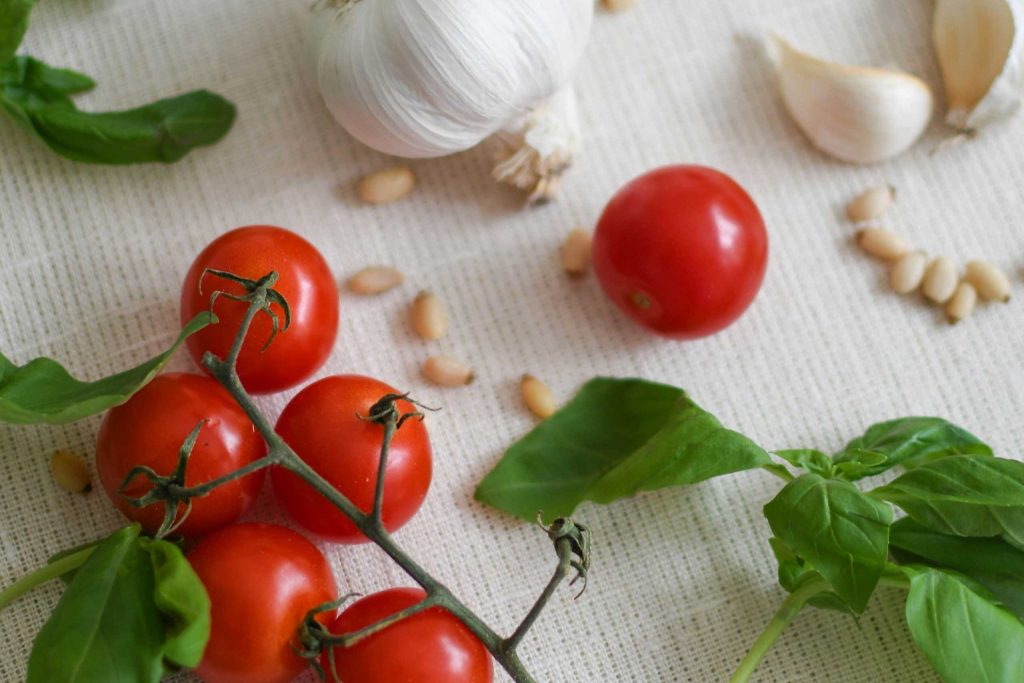
Few combinations are more famous than tomato and basil. The acidity and natural sweetness of ripe tomatoes provide the perfect partner for basil’s aromatic leaves. This pairing appears in pasta sauces, pizzas, salads, bruschetta, soups and countless modern dishes. In a Caprese salad, for example, there are only a handful of principal ingredients—tomato, mozzarella, basil and olive oil—yet basil is essential to the dish’s identity. Without it, the salad loses much of its freshness and fragrance.
Basil is equally important when combined with garlic and olive oil. This trio forms the foundation of pesto, one of the world’s best-known herb sauces. In pesto alla Genovese, basil provides the green, aromatic centre around which garlic, pine nuts, cheese and olive oil are built. The result can be stirred through pasta, spread onto bread, served with vegetables or used to add flavour to meat and seafood. Basil demonstrates here how an herb can become the main flavour of an entire preparation rather than simply acting as a garnish.
The herb is also valuable because it can be used at different stages of cooking. Fresh basil is often added at the end of cooking so that its delicate aroma is preserved. It can be torn over pasta or pizza immediately before serving, or scattered across a salad. In other dishes, particularly Southeast Asian curries and stir-fries, basil is incorporated into the cooking process and contributes a deeper aromatic quality.
Different varieties also give cooks an impressive range of flavours. Sweet basil is soft and slightly sweet, making it ideal for Italian cooking. Thai basil has a stronger anise-like character and is excellent with spicy food, coconut milk and seafood. Holy basil has a more peppery, clove-like quality and is central to dishes such as Thai pad kra pao. Lemon basil brings citrus notes, while cinnamon basil and other varieties can introduce warm, unusual flavours.
Basil also bridges the gap between savoury and sweet cooking. While it is most strongly associated with pasta, pizza and salads, modern chefs use it with strawberries, peaches, watermelon, citrus and other fruits. It can flavour ice cream, sorbet, syrups and drinks, demonstrating that its culinary possibilities extend well beyond traditional savoury dishes.
Perhaps most importantly, basil makes food feel fresh. Its bright aroma and green colour can lift rich, heavy or strongly seasoned dishes. A curry can be finished with fresh basil, a tomato sauce can be brightened with a few torn leaves, and a simple sandwich can be transformed with the addition of pesto.
For these reasons, basil deserves its reputation as one of the world’s essential kitchen herbs. It is inexpensive, relatively easy to grow, widely available and capable of contributing flavour to an extraordinary range of foods. Its role is not merely decorative. In many classic dishes, basil is one of the ingredients that gives the food its unmistakable identity.
The History of Basil
Basil has an ancient history, although its precise origins are complicated by the fact that the plant has been cultivated and transported by humans for centuries. Evidence points toward tropical regions of Asia and Africa as important centres in its early development. From these regions, basil spread along ancient trade routes into the Middle East, the Mediterranean and eventually Europe.
The name itself hints at the respect in which the plant was held. The word “basil” ultimately comes from the Greek basilikón, meaning “royal” or “of the king.” The Persian name rayhan has also been used for basil and other fragrant plants. This association with royalty and fragrance reflects the plant’s cultural importance as much as its culinary value.
Basil became familiar in the Mediterranean world many centuries ago. Ancient societies valued aromatic plants not only for food but also for perfumes, household uses and traditional medicine. Basil was subsequently cultivated throughout Europe. Kew notes that basil reached Britain by the sixteenth century, although its tropical origins meant that it was never particularly comfortable with cold winters there.
As basil travelled, different cultures developed their own relationships with it. In Persia, for example, basil became part of both traditional cuisine and everyday eating. Historical Persian culinary records contain recipes using basil, while fresh basil is still commonly served with foods such as kebabs.
In India, basil has an even deeper cultural significance. Holy basil, or tulsi (Ocimum tenuiflorum), is a different species from ordinary sweet basil and is regarded as a sacred plant in Hindu traditions. It has been cultivated around homes and temples and has a long history in Ayurvedic practice.
This distinction is important because “basil” is not really one single flavour. The genus Ocimum contains numerous species and cultivated forms. Sweet basil, Thai basil, holy basil, lemon basil, cinnamon basil and other varieties can look and taste remarkably different.
What Does Basil Taste Like?
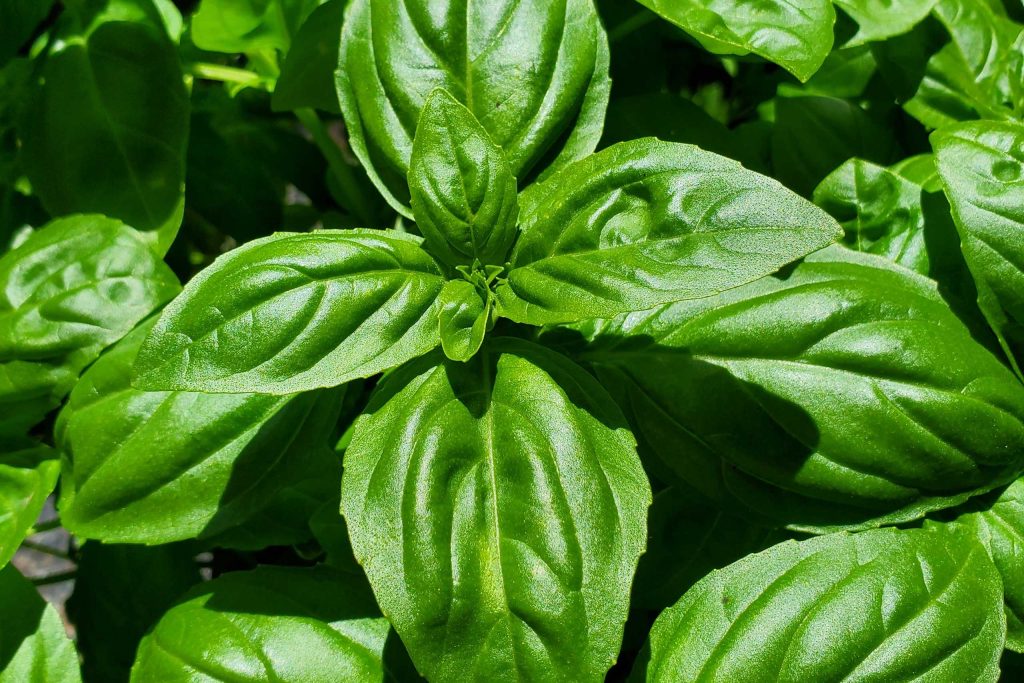
The flavour of sweet basil is difficult to describe with a single word. Fresh leaves have a combination of sweetness, pepperiness and gentle spice, with hints that can remind people of clove, anise or mint. Its aroma is particularly important. When basil leaves are torn or bruised, their essential oils are released, producing the powerful fragrance associated with the herb.
The plant’s chemistry helps explain why basil can seem so distinctive. Different varieties contain different proportions of aromatic compounds, which means that two plants that both look like basil can taste quite different.
Sweet basil generally has the softest and sweetest character and is the variety most strongly associated with Mediterranean cooking. Thai basil has a more pronounced anise-like quality and sturdier leaves, while holy basil has a more peppery and complex flavour. Kew describes varieties that can have cinnamon, liquorice, lemon and clove-like characteristics.
This diversity is one of basil’s great strengths. It means the herb can be used in dishes that range from delicate salads to strongly spiced curries.

Basil in Italian Cooking
Perhaps nowhere has basil achieved greater international fame than Italy. It is an essential ingredient in many Italian dishes, particularly those associated with the cuisine of Liguria and southern Italy.
One of the most famous examples is pesto alla Genovese. Traditional pesto combines fresh basil leaves with garlic, pine nuts, hard cheese such as Parmesan or Pecorino, and olive oil. The ingredients are traditionally crushed together to form a fragrant green sauce. Basil provides the fresh aromatic foundation, while the nuts and cheese contribute richness and the garlic adds sharpness.
Pesto is commonly tossed through pasta, spread on bread, spooned over vegetables or used to accompany meat and fish. It demonstrates how powerful basil can be: a relatively small quantity of leaves can transform an entire dish.
Basil is also strongly associated with pizza Margherita, where fresh basil is combined with tomato, mozzarella and olive oil. The colours are traditionally said to evoke the Italian flag, although the history surrounding the pizza’s naming and royal associations is more complicated than the popular story suggests.
Another classic is insalata Caprese, a simple salad of ripe tomatoes, mozzarella and fresh basil, generally finished with olive oil and seasoning. The simplicity of the dish highlights an important characteristic of basil: it does not always need to be cooked into a complicated recipe. Sometimes a few fresh leaves are enough.
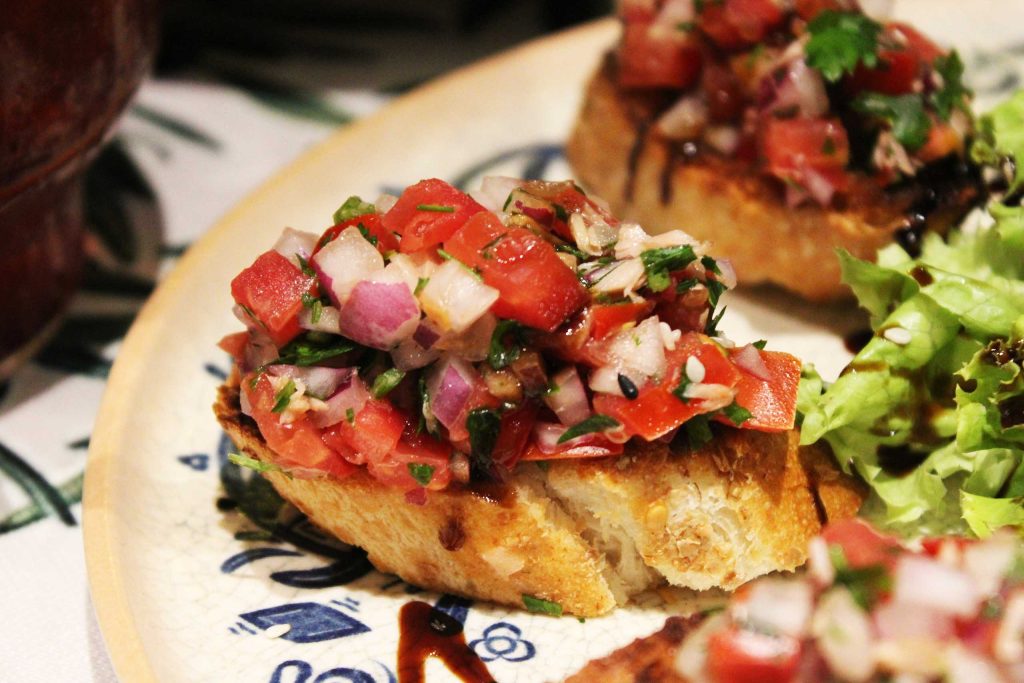
Basil can also be added to tomato sauces, soups, pasta dishes, bruschetta and vegetable preparations. It pairs especially well with tomatoes because the herb’s sweetness and fragrance balance the tomato’s acidity.
Basil Across Southeast Asia
Although European cooking made basil internationally famous, Southeast Asian cuisines have their own long and sophisticated traditions involving different types of basil.
Thai basil, commonly associated with the Thai name horapha, has narrow, sturdy leaves, purple-tinged stems and an anise-like aroma. Unlike delicate sweet basil, it holds its structure relatively well during cooking. It is used in curries, stir-fries, soups and salads.
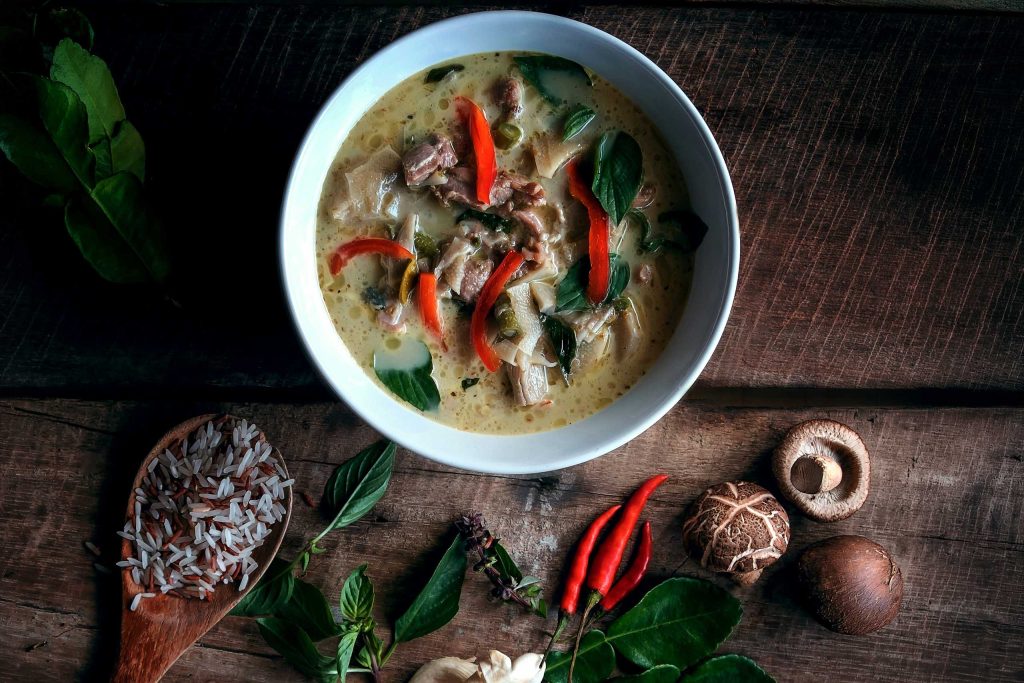
Thai green curry is one notable example. Basil contributes fragrance and freshness to the rich combination of coconut milk, chilli, herbs and spices. Basil is also found in a variety of Thai stir-fries and noodle dishes.
Another important variety is holy basil, especially associated with pad kra pao, a famous Thai preparation of minced meat or seafood stir-fried with chilli, garlic and holy basil. Outside Thailand, restaurants sometimes substitute Thai basil because it is easier to obtain, but the two herbs have different flavour profiles.
Basil is also important in Vietnamese food. Fresh basil leaves can accompany dishes such as pho, allowing diners to add aromatic leaves to the steaming broth. Thai basil’s anise-like character works particularly well alongside chilli, lime, fish sauce and aromatic broths.
In other Southeast Asian cuisines, basil may be used with curries, noodle dishes, meat, seafood and vegetables. Kew records the use of basil leaves in curries across the region and identifies basil as an important herb in Thai green curry.
Basil in Other Cuisines
The culinary history of basil extends well beyond Italy and Southeast Asia.
In the Middle East and Persian-speaking regions, fresh basil may be eaten as part of an assortment of fresh herbs. In Iran, for example, green basil is traditionally served alongside foods such as kebabs, bread and vegetables. Historical Persian cooking also contains recipes incorporating basil into soups and other dishes.
Basil seeds have also been used as food. When soaked in water, the seeds develop a gelatinous coating. In parts of the Middle East and Asia, basil seeds are used in refreshing drinks and desserts. Kew notes their use in a drink known as cherbet tokhum in parts of the Mediterranean.
Modern cooks have expanded basil’s possibilities even further. It can be incorporated into salad dressings, mayonnaise, infused oils, sandwiches, cocktails, sorbets and desserts. Basil and strawberry, for example, make an interesting combination because the herb’s peppery sweetness complements the fruit.
Basil can also be combined with watermelon, peach, lemon, lime, cucumber and other fresh ingredients. In desserts, it can provide an aromatic counterpoint to sweetness rather than acting as the dominant flavour.
Some Famous Dishes Containing Basil
The variety of foods that use basil is enormous. Some of the best-known include:
Pesto alla Genovese – Fresh sweet basil crushed with garlic, pine nuts, cheese and olive oil.
Pizza Margherita – Tomato, mozzarella and fresh basil on a pizza base.
Insalata Caprese – Tomato, mozzarella and basil, usually dressed simply with olive oil and seasoning.
Pasta with tomato and basil – A straightforward combination in which fresh basil brings fragrance to an otherwise simple tomato sauce.
Thai Green Curry – A fragrant coconut-based curry in which basil can complement chilli, herbs and spices.
Pad Kra Pao – A Thai stir-fry traditionally made with holy basil, chilli, garlic and meat or another protein.
Vietnamese Pho – Fresh basil can be served as an aromatic accompaniment to the noodle soup.
Bruschetta – Toasted bread topped with ingredients such as tomato, garlic, olive oil and fresh basil.
Tomato and Basil Soup – Basil adds sweetness and aromatic depth to the acidity of tomatoes.
Basil Lemonade – Fresh basil can be infused into lemonade or a citrus drink to create a refreshing herbal flavour.
Basil and Strawberry Desserts – Basil’s subtle peppery notes can complement strawberries in salads, sorbets and other desserts.
These dishes illustrate why basil has become so successful around the world. It can be the star of a sauce, a supporting ingredient in a curry or simply a fresh garnish added immediately before serving.
Basil as a Medicinal and Cultural Plant
Basil has historically been valued for much more than cooking. Traditional medical systems in different parts of the world have used basil preparations for a variety of purposes. Kew records traditional uses involving digestive complaints, kidney problems, coughs, fevers and other conditions. These are traditional uses and should not be confused with modern clinical evidence demonstrating that basil can treat those conditions.
Holy basil has a particularly important cultural and religious role in India. Known as tulsi, it is regarded as sacred in Hinduism and has traditionally been grown around homes and temples. Kew describes it as a plant associated with the goddess Lakshmi.
This cultural history adds another dimension to basil. It is unusual for a plant to be simultaneously an everyday kitchen ingredient, an important agricultural crop, a traditional medicinal plant and a sacred symbol.
Growing Basil
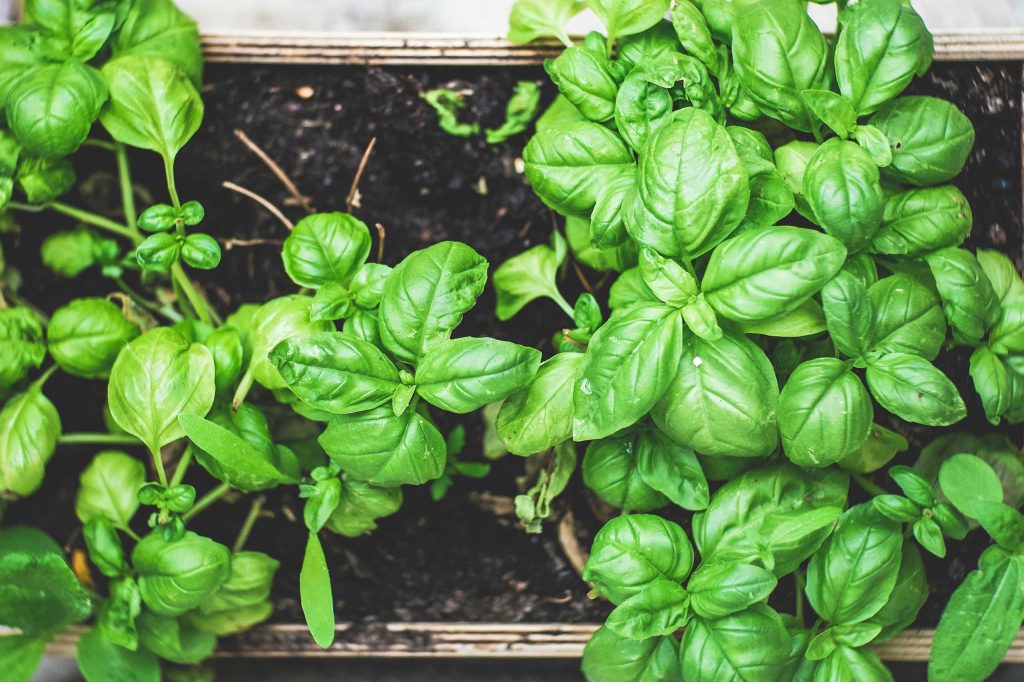
Basil is one of the easiest herbs to grow in a warm climate. It prefers plenty of sunlight, warmth, moisture and good air circulation. Because it evolved in tropical and subtropical environments, it is not frost-hardy.
The plant can be grown from seed or cuttings. Supermarket basil plants can even be divided into several smaller plants, while a fresh stem placed in water can produce roots and subsequently be planted in soil.
Regular harvesting encourages the plant to produce new growth. For the best flavour, young leaves are often preferred. Once basil flowers heavily, the plant can become more focused on reproduction and the leaves may change in texture and flavour.
There is also enormous variety in appearance. Some basils have bright green leaves, while others are deep purple. Some have tiny leaves, while lettuce-leaf varieties can produce exceptionally large ones. Flowers range from white to purple depending on the variety.
The Global Importance of Basil
Today, basil is more than a garden herb. It is an important commercial crop, grown for fresh culinary use as well as essential oils and other products. Kew describes basil as an important economic crop, with substantial global production of essential oil and an international trade in fresh potted basil.
Its popularity has also encouraged growers to develop new varieties. Modern gardeners can choose from plants with lemon, lime, cinnamon, liquorice, clove and anise characteristics. Purple basil can add colour to salads and gardens, while compact Greek basil is particularly attractive in pots.
This diversity reflects basil’s remarkable ability to adapt to human tastes. Different cultures have selected plants for particular flavours, appearances and culinary uses, creating a family of herbs that is much more diverse than the familiar supermarket bunch of sweet basil suggests.
My Final Thoughts on Basil
Basil may look like a simple kitchen herb, but its history tells a much richer story. From its tropical origins in Asia and Africa to its spread through the ancient world, basil has travelled with people and become embedded in cuisines and cultures across the globe.
It became famous in Italy through dishes such as pesto, pizza Margherita and Caprese salad, while different species and varieties became essential ingredients in Thai, Vietnamese, Persian and other cuisines. Its leaves can be eaten raw, cooked into sauces and curries, blended into pesto, steeped into drinks or used as a fragrant finishing touch.
Beyond the kitchen, basil has been valued in traditional medicine and holds profound cultural significance, particularly in the case of holy basil in India. Its many varieties demonstrate just how different one plant family can become when cultivated in different regions and for different purposes.
Perhaps basil’s greatest achievement is its versatility. Few herbs can move so easily between a rustic Italian pasta, a steaming bowl of Vietnamese soup, a Thai curry, a Persian table of fresh herbs and a modern strawberry dessert.
Fresh, fragrant and remarkably adaptable, basil has earned its place among the world’s great culinary herbs—not simply as an ingredient, but as a plant with a history that reaches across continents, centuries and cultures.