
Soy Sauce is the Dark, Salty Sauce That Changed the World
There are some ingredients that quietly sit in the kitchen, waiting for their moment. Soy sauce is not one of them. Open a bottle and it immediately announces itself: salty, savoury, deeply aromatic and unmistakably umami. A few drops can transform a bowl of noodles, a stir-fry, a marinade or even a simple fried egg.
For many of us, soy sauce is so familiar that we rarely stop to think about what is actually inside the bottle. Yet behind that dark liquid is a fascinating story involving ancient China, fermentation, trade, regional cooking traditions and centuries of culinary experimentation. And while we often talk about “soy sauce” as though it were one single ingredient, the reality is very different. Soy sauces from China, Japan, Korea, Indonesia and Southeast Asia can taste remarkably different, even though they share the same basic family tree.
So, how did this humble condiment become one of the most widely used sauces on the planet?
A kitchen essential
Before getting into its history, it is worth understanding why soy sauce became so important in the first place. In cooking, there are ingredients that provide one main thing: salt, sweetness, acidity, heat or richness. Soy sauce can bring several of these qualities together, but its greatest gift is umami.
Umami is often described as savouriness or depth of flavour. It is the quality that makes a bowl of broth taste satisfying, gives mushrooms their meatiness and makes a well-aged cheese so delicious. Soy sauce is naturally rich in compounds that create this sensation, thanks to fermentation and the breakdown of proteins during production.
That is why soy sauce is so useful. It does not simply make food saltier. Used carefully, it can make other ingredients taste more like themselves.
A splash into a stir-fry can bring vegetables to life. A little added to a mushroom sauce makes the mushrooms taste richer. Mixed with garlic, ginger, chilli and sesame oil, it becomes an instant marinade. Added to a soup or stock, it can provide a background savouriness that would otherwise take hours to develop.
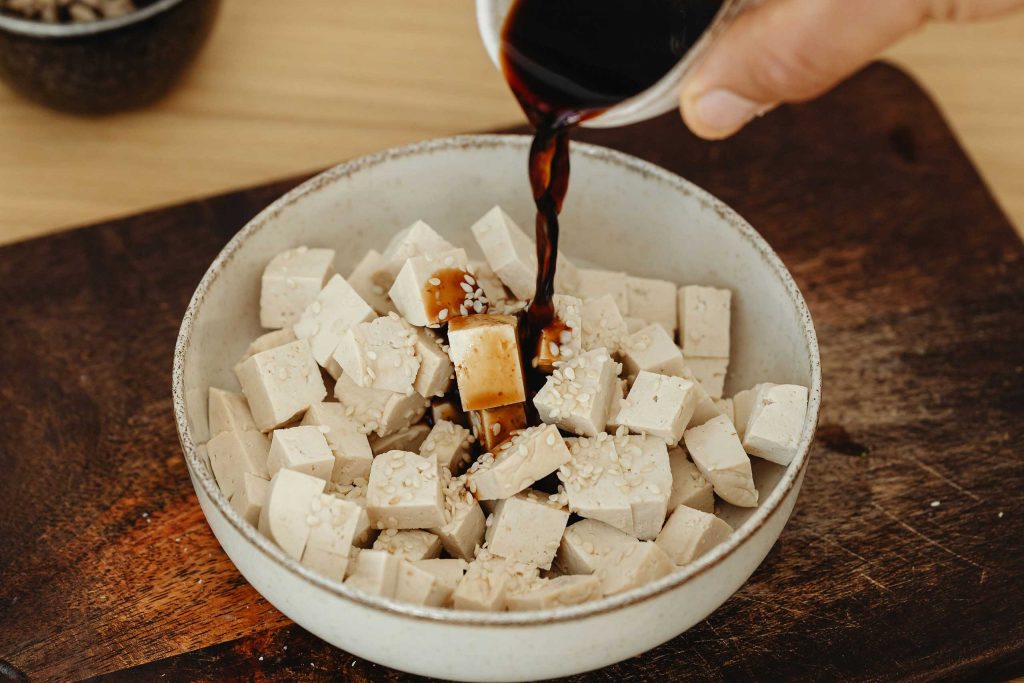
It is also extraordinarily versatile. Soy sauce works with meat, seafood, vegetables, tofu, noodles, rice and eggs. It can be used during cooking, brushed over food as it grills, incorporated into a dipping sauce or simply put on the table for people to use themselves.
And perhaps most importantly, it connects different culinary traditions. The soy sauce on a Chinese restaurant table may look similar to the bottle served with Japanese sushi, but the flavours, production methods and purposes can be quite different.
That is what makes soy sauce so interesting: one ingredient, many identities.
Where did soy sauce come from?
The story begins in ancient China.
The exact origins of soy sauce are difficult to pin down because the condiment evolved gradually from earlier fermented foods rather than appearing suddenly in the form we recognise today. Its ancestors are generally associated with ancient Chinese methods of preserving foods through fermentation.
Long before refrigeration, fermentation was an essential part of food preservation. Salt was particularly important because it helped prevent unwanted spoilage while allowing desirable microorganisms to transform food.
Ancient fermented products were made from combinations of grains, meat, fish and beans. Over time, fermented soybean products became increasingly important. The process eventually developed into the production of sauces made from fermented soybeans, often combined with grains and salt.
One of the great advantages of fermentation was that it transformed relatively simple ingredients into something much more complex. Soybeans themselves are not particularly exciting in their raw form, but fermentation breaks down their proteins and carbohydrates, creating hundreds of flavour compounds.
The result is salty, aromatic and intensely savoury.
From China, soy-based fermented foods and sauces spread throughout East and Southeast Asia, where different countries adapted them to their own ingredients, climates and cooking traditions.
And this is where things get particularly interesting.
There isn’t really one “correct” soy sauce.
Chinese soy sauce
Chinese soy sauce is generally divided into two broad categories: light soy sauce and dark soy sauce.
Light soy sauce is not necessarily light in colour. In fact, it can still be quite dark. The word “light” generally refers more to its flavour and consistency than to its appearance.
It is usually thinner, saltier and more aromatic, and it is commonly used for seasoning during cooking. If you’re making a Chinese stir-fry, fried rice or noodle dish, light soy sauce is often the bottle you want.
Dark soy sauce, on the other hand, is generally thicker, darker and less aggressively salty. It often has a richer, slightly sweeter character and is used to give dishes both colour and depth.
This distinction is important because using dark soy sauce when a recipe calls for light soy sauce can dramatically change the dish. Dark soy sauce is particularly useful in braised dishes, where its deep colour gives meat, tofu and vegetables an appealing mahogany appearance.
Chinese cuisine also has numerous regional styles of soy sauce, and production methods and flavour profiles can vary considerably between manufacturers and regions.
The important thing to remember is that Chinese soy sauce is often designed to be part of the cooking process. It is an ingredient as much as it is a condiment.
Japanese soy sauce
Japanese soy sauce is known as shoyu, and it has developed its own distinctive identity.
Perhaps the best-known Japanese style is koikuchi, a relatively dark soy sauce that accounts for the majority of soy sauce consumed in Japan. It is balanced between saltiness, sweetness and umami and is extraordinarily versatile.
There is also usukuchi, which is lighter in colour but can actually be saltier than koikuchi. It is particularly useful when cooks want to season a dish without turning it a dark brown colour.
Then there is tamari, which traditionally contains little or no wheat and has a particularly rich, full-bodied flavour. Modern tamari products can vary in their exact ingredients, so anyone avoiding gluten should still check the label rather than assuming every bottle is gluten-free.
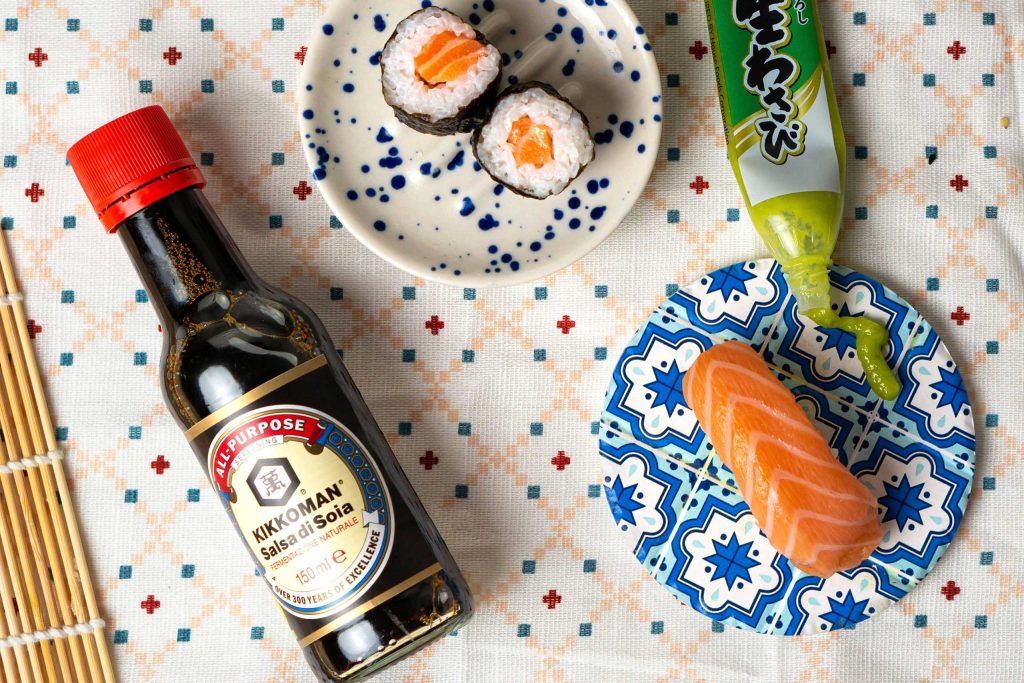
Japanese soy sauce is often used in dishes such as sushi, sashimi, teriyaki, noodle soups and dipping sauces.
Japanese producers also place considerable emphasis on fermentation and ageing. Traditional production can involve naturally fermented mash known as moromi, which develops slowly and produces a remarkable range of aromas and flavours.
Compared with some Chinese soy sauces, Japanese shoyu can taste more rounded and balanced, making it particularly good as a table condiment.
Korean soy sauce
Korea has its own fascinating soy sauce tradition.
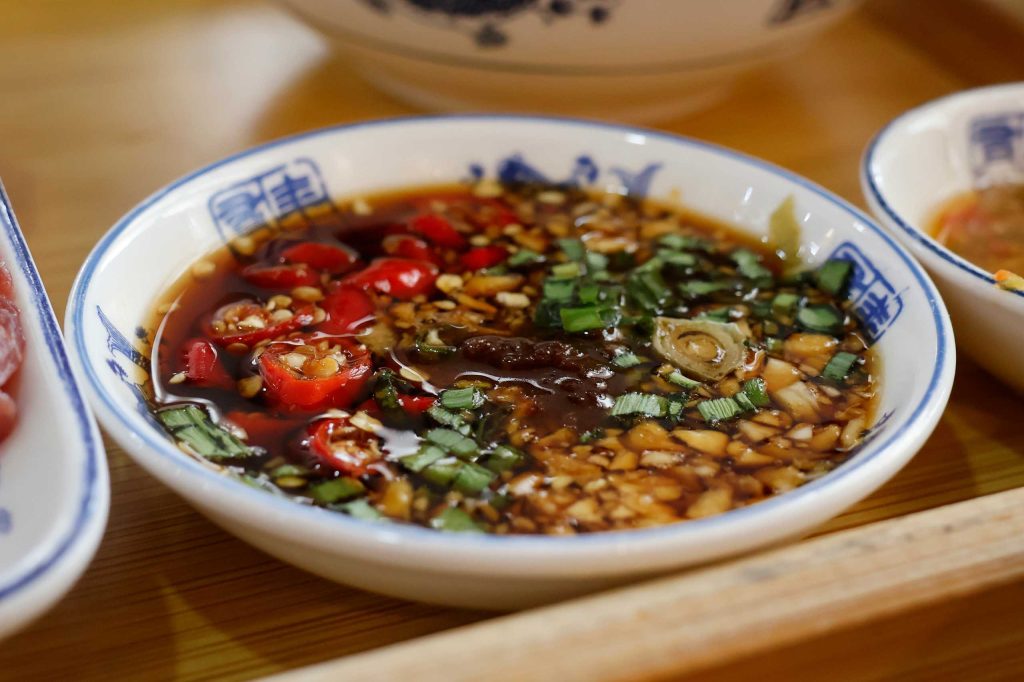
Korean soy sauce is known as ganjang, and there are several varieties used for different purposes.
One traditional style is Joseon-ganjang, sometimes called soup soy sauce. It can be relatively light in colour but quite salty, making it useful for seasoning soups and broths without making them too dark.
There is also a more general commercial ganjang used in everyday cooking, while other varieties are associated with specific traditional production methods.
Korean soy sauce is deeply connected with doenjang, the fermented soybean paste that is another cornerstone of Korean cuisine. Traditionally, soybeans are fermented into blocks known as meju, which are then used to produce both fermented soybean paste and soy sauce.
This gives traditional Korean soy sauce a particularly earthy, complex character.
It is an excellent example of how soy sauce isn’t simply a condiment that has been copied from one country to another. Korea developed its own fermentation culture around soybeans, resulting in sauces with their own culinary identity.
Indonesian kecap manis
Now we come to one of the most delicious departures from the traditional salty soy sauce model: kecap manis.
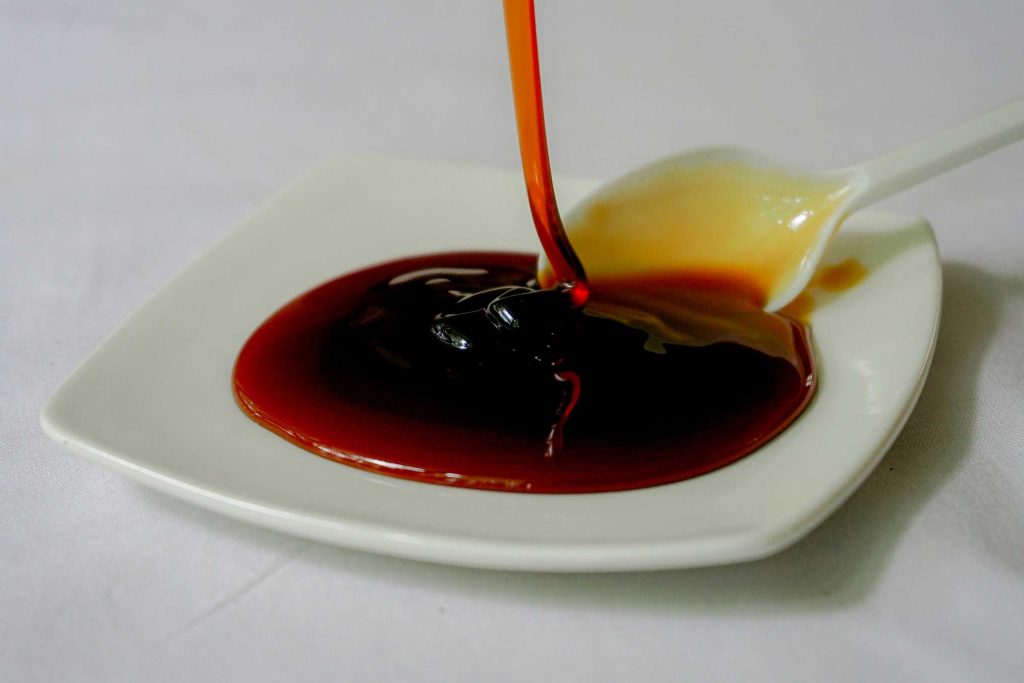
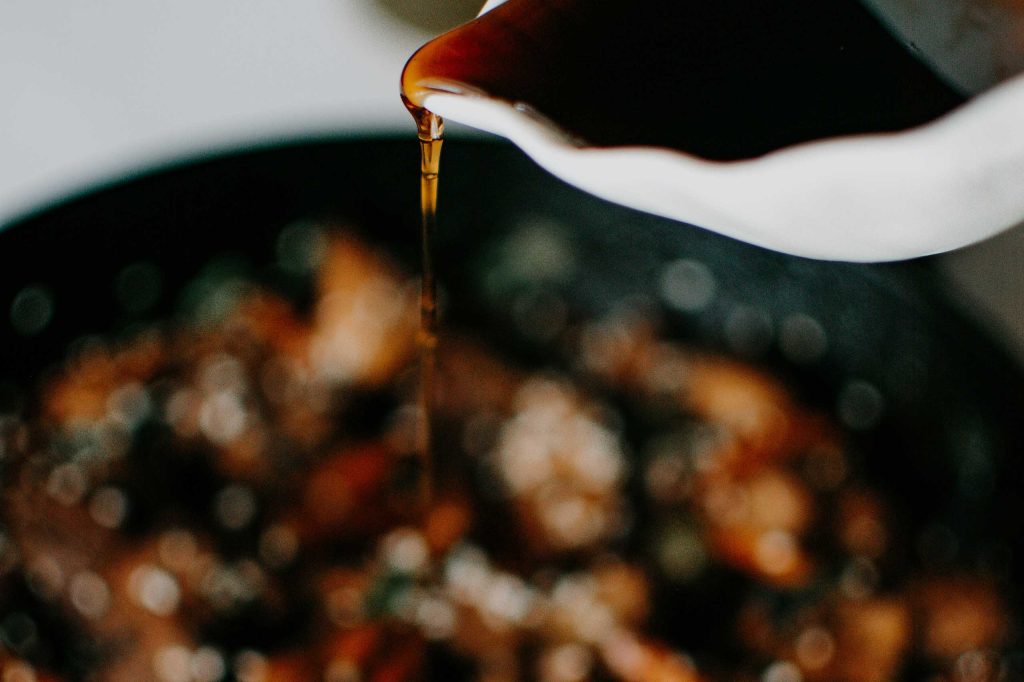
Kecap manis is a sweet Indonesian soy sauce made with soybeans and palm sugar. It is thick, dark and syrupy, with a pronounced caramel-like sweetness.
If you have ever eaten Indonesian nasi goreng, satay or mie goreng, there is a good chance you have tasted it.
Kecap manis demonstrates just how dramatically a basic idea can evolve when it enters a different culinary culture. Instead of being primarily a salty seasoning, it becomes a sweet, sticky sauce with a distinctive depth of flavour.
It is particularly good with grilled meats, noodles and rice dishes, and it is one of the defining ingredients of Indonesian cooking.
Once you have a bottle in the cupboard, it is surprisingly easy to become addicted to it. A little drizzled over fried rice can completely change the character of the dish.
Soy sauce across Southeast Asia
Soy sauce has also become an important ingredient throughout Southeast Asia, particularly in countries such as Thailand, Vietnam, Malaysia and the Philippines.
Thai cooking uses several different soy sauces, including light and dark varieties, with different brands and styles offering different balances of sweetness, saltiness and fermentation flavour.
Vietnamese cooking uses soy sauce alongside its more famous fish sauce tradition. While fish sauce remains fundamental to Vietnamese cuisine, soy sauce is important in vegetarian dishes and as a dipping condiment.
Malaysia and Singapore have their own rich traditions of soy sauce, often incorporating Chinese culinary influences alongside local ingredients and cooking techniques.
In the Philippines, soy sauce—known as toyo—is a familiar everyday condiment and an important ingredient in dishes such as adobo.
The result is a fascinating culinary map. As soy sauce travelled, it didn’t simply replace local flavours. It joined them.
Why does soy sauce taste so good?
The answer is fermentation.
Making traditional soy sauce is not simply a matter of mixing soybeans with salt and water.
Soybeans are typically cooked, while grains such as wheat may be roasted or processed. A fermentation culture is introduced, and microorganisms begin breaking down the proteins and carbohydrates.
One important organism involved in many traditional processes is Aspergillus oryzae, a mould also used in other East Asian fermented foods.
The fermented mixture is then combined with brine and allowed to mature. During this period, enzymes and microorganisms continue transforming the ingredients.
The longer and more carefully the process is managed, the more complex the flavour can become.
Eventually, the fermented mash is pressed, producing the liquid that becomes soy sauce. It is then filtered and processed before being bottled.
Modern industrial soy sauces can use faster production methods, including acid hydrolysis or accelerated fermentation, allowing manufacturers to produce large quantities quickly and consistently.
That doesn’t necessarily mean industrial soy sauce is bad. In fact, inexpensive soy sauce is an everyday ingredient in millions of kitchens. But traditionally brewed sauces can offer greater complexity, aroma and depth.
Soy sauce around the world
One of the remarkable things about soy sauce is how completely it has escaped the boundaries of Asian cuisine.
Today, chefs use it in dishes far removed from its traditional origins.
It appears in burger sauces, salad dressings, barbecue marinades and gravies. Some cooks add a few drops to spaghetti bolognese or beef stew to increase savouriness. Others use it in compound butter, mushroom sauces or marinades for roast vegetables.
This makes perfect culinary sense.
Soy sauce is essentially a concentrated source of umami, salt and fermented flavour. Those qualities work in almost any cuisine where savouriness is desirable.
It can even be used in desserts, particularly alongside chocolate or caramel, where a tiny amount of salt and fermented complexity can make sweet flavours seem more intense.
The trick is restraint.
Soy sauce is powerful. A dish can go from beautifully seasoned to overwhelmingly salty very quickly. It is generally easier to add more than it is to take it away.
Famous Soy Sauces Around the World
- Kikkoman Naturally Brewed Soy Sauce — Japan — One of the world’s best-known Japanese soy sauces, with a balanced salty, savoury flavour.
- Yamasa Soy Sauce — Japan — Traditional Japanese brewed soy sauce with a rich umami character.
- Lee Kum Kee Premium Soy Sauce — China — A popular Chinese-style soy sauce with a full, savoury flavour.
- Pearl River Bridge Light Soy Sauce — China — A classic Chinese light soy sauce, particularly popular for stir-fries.
- Pearl River Bridge Dark Soy Sauce — China — Darker and slightly sweeter, commonly used to add colour and depth to dishes.
- Amoy Superior Light Soy Sauce — Hong Kong — A well-known Chinese-style light soy sauce used for everyday cooking.
- Haday Light Soy Sauce — China — A major Chinese brand producing soy sauces for everyday cooking.
- Shibanuma Soy Sauce — Japan — A traditional Japanese producer known for naturally brewed soy sauces.
- Marudaizu Shoyu — Japan — Traditional Japanese soy sauce made with whole soybeans.
- Tamari — Japan — A rich, darker Japanese soy sauce traditionally made with little or no wheat.
- Usukuchi Shoyu — Japan — A pale-coloured Japanese soy sauce that is generally saltier than darker shoyu.
- Saishikomi Shoyu — Japan — A twice-brewed Japanese soy sauce with an especially rich and complex flavour.
- Joseon-ganjang — South Korea — Traditional Korean soy sauce with a prominent role in Korean cooking.
- Guk-ganjang — South Korea — Korean soup soy sauce, relatively light in colour but strongly salty.
- Jin-ganjang — South Korea — A Korean soy sauce commonly used for general cooking and seasoning.
- ABC Kecap Manis — Indonesia — A famous sweet soy sauce made with palm sugar, giving it a thick, syrupy consistency.
- Bango Kecap Manis — Indonesia — An iconic Indonesian sweet soy sauce commonly used in nasi goreng and satay.
- Healthy Boy Thin Soy Sauce — Thailand — A popular Thai light soy sauce used in stir-fries, noodle dishes and marinades.
- Maggi Savor — Philippines — A Filipino savoury seasoning sauce widely used in everyday cooking.
- Silver Swan Soy Sauce — Philippines — A classic Filipino soy sauce, particularly associated with dishes such as adobo.

Famous dishes that use soy sauce
Perhaps the easiest way to appreciate soy sauce is to look at the enormous number of dishes that depend on it.
Fried rice is an obvious example. Soy sauce adds colour, salt and savouriness while bringing together rice, egg, vegetables and meat.
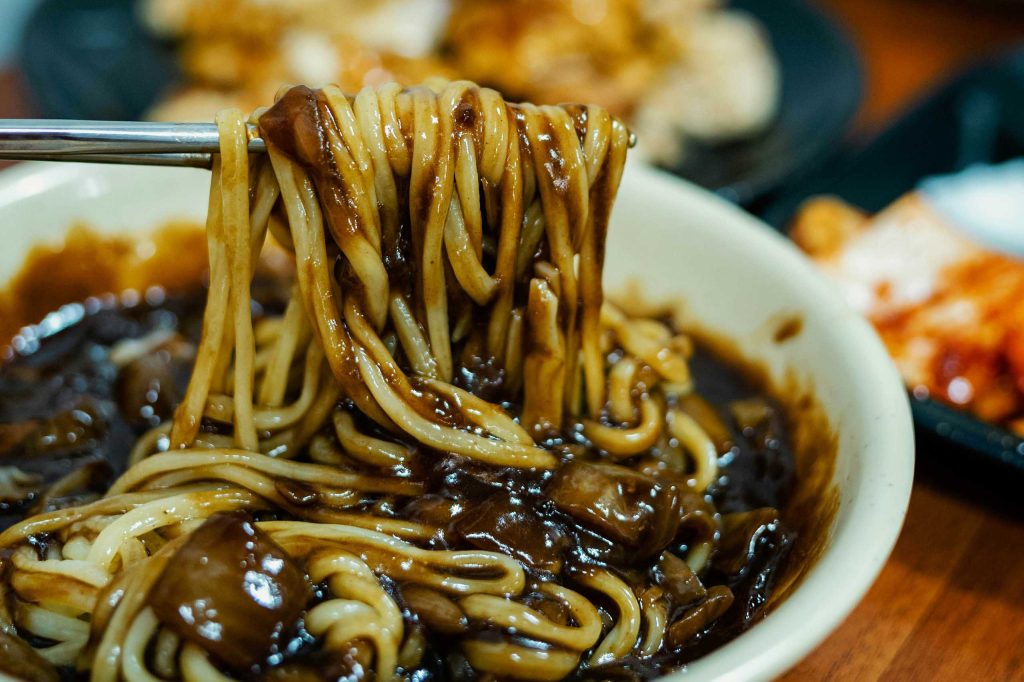
Chow mein and other stir-fried noodles often rely on soy sauce as part of their seasoning. Combined with oyster sauce, sesame oil, garlic or chilli, it creates a deeply satisfying sauce.
Teriyaki is another classic. Japanese-style teriyaki combines soy sauce with ingredients such as mirin and sugar, producing a glossy sweet-savoury coating for chicken, fish or vegetables.
Sushi and sashimi are commonly served with soy sauce for dipping, although experienced sushi eaters know that the amount used should be relatively small. Good fish doesn’t need to be drowned.
Japanese ramen can be seasoned with soy sauce to create shoyu ramen, one of the major ramen styles.
Korean bulgogi frequently uses soy sauce in its marinade, alongside garlic, sugar, sesame oil and other seasonings.
Korean japchae, the famous glass noodle dish, also gets much of its savoury character from soy sauce.
Indonesian nasi goreng is closely associated with kecap manis, which provides its distinctive dark colour and sweet-savoury flavour.
Satay can also be accompanied by sweet soy-based sauces, depending on the regional style.
And then there is Filipino adobo, where soy sauce is often combined with vinegar, garlic, bay leaves and pepper to create a wonderfully salty, tangy and aromatic braising liquid.
Soy sauce in the modern kitchen
Perhaps the greatest compliment we can pay soy sauce is that it has become completely normal in kitchens far beyond the cultures that created it.
It is one of those ingredients that can rescue dinner.
You’ve got some leftover vegetables? Stir-fry them with garlic, ginger and soy sauce.
A boring bowl of rice? Add soy sauce, sesame oil and a fried egg.
Chicken that needs a marinade? Try soy sauce, honey, garlic and ginger.
Mushrooms that need something extra? Cook them hard in a hot pan and finish with a splash of soy sauce.
Even roasted vegetables can benefit from it. Soy sauce, maple syrup and a little oil make an excellent glaze for carrots, pumpkin or Brussels sprouts.
But perhaps the best way to use soy sauce is to stop thinking of it as simply “Asian seasoning.” Think of it instead as a fermented flavour enhancer.
That mindset opens up a lot of possibilities.
One sauce, many stories
Soy sauce has travelled an extraordinary distance from its ancient beginnings.
What started with fermentation and preservation in China eventually became a family of sauces spread across Asia and, eventually, the entire world. China developed light and dark styles. Japan created shoyu and developed an elaborate culture of brewing and ageing. Korea developed its own ganjang traditions. Indonesia transformed soy sauce into the sweet, thick kecap manis. Other countries incorporated it into their own cuisines, adapting it to local tastes and ingredients.
And that is perhaps the most interesting thing about soy sauce.
It isn’t really one sauce anymore.
It is a family of sauces connected by history, fermentation and soybeans, but shaped by the people and places that embraced them.
So the next time you reach for that familiar bottle in the kitchen, take a second to appreciate what you’re holding. It might look like a simple dark liquid, but inside is centuries of food history, fermentation science, trade, cultural exchange and culinary ingenuity.
And then, of course, pour some into the pan.
Because history is interesting, but dinner still needs seasoning.